Engineered Digester Covers That Protect Your Process
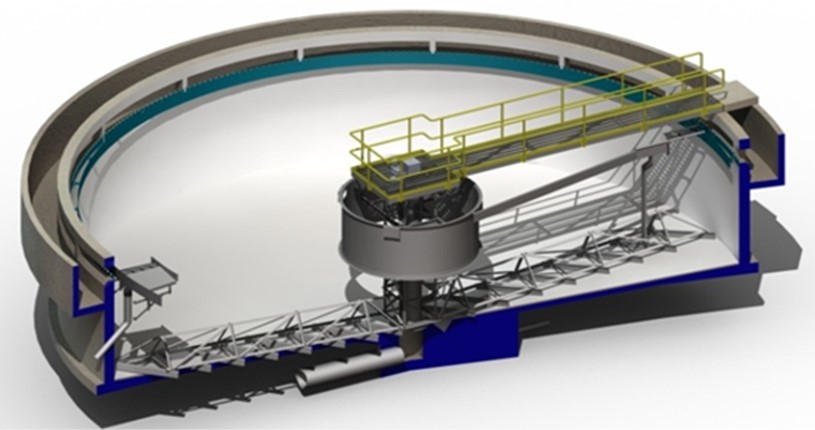
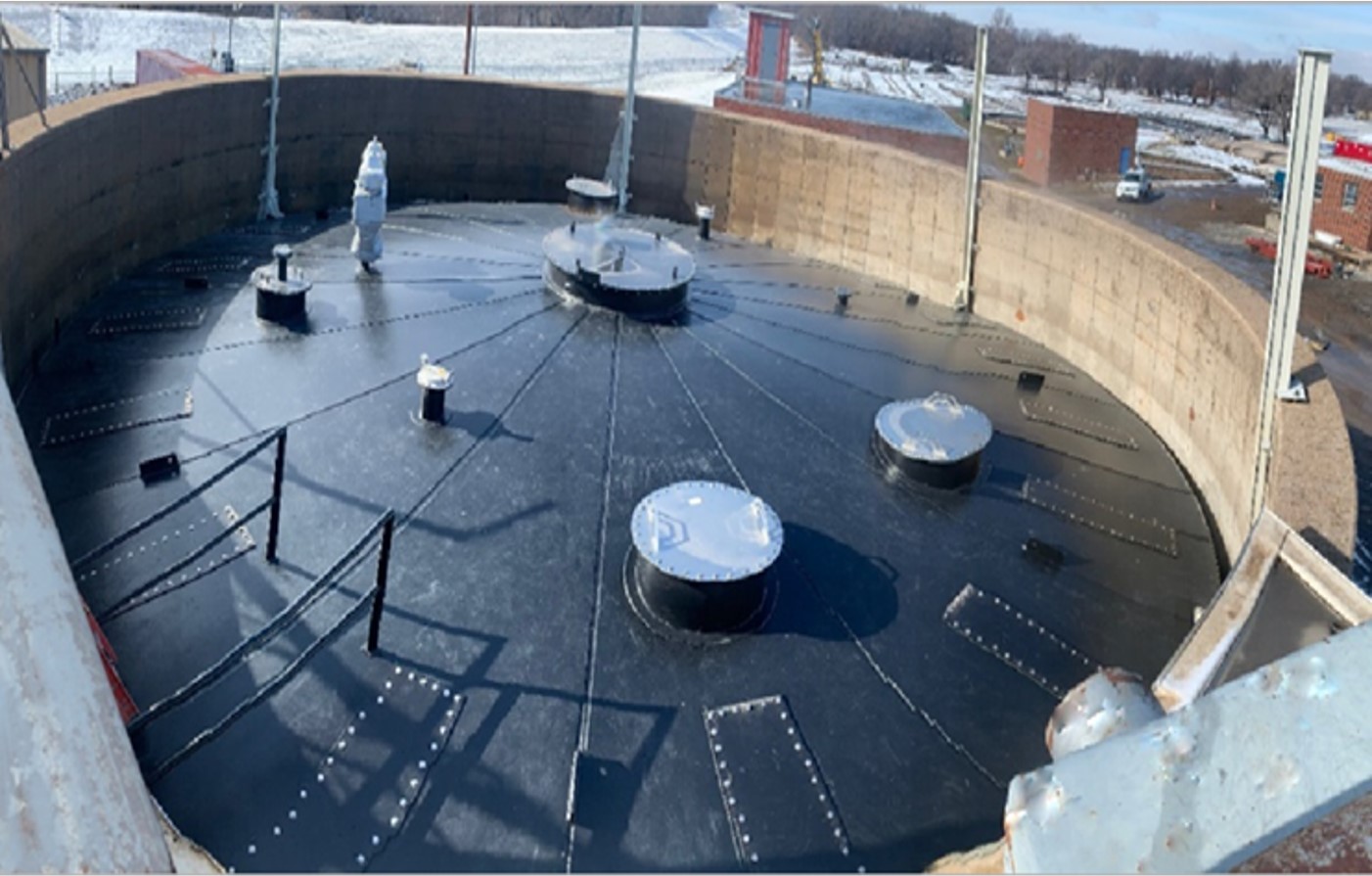
ClearStream digester covers are designed to maximize biogas capture, improve process efficiency, control odors, and provide long-term reliability in demanding wastewater environments. Whether for new construction or retrofit projects, our solutions help utilities increase energy recovery, enhance safety, reduce maintenance, and meet evolving environmental regulations with confidence.
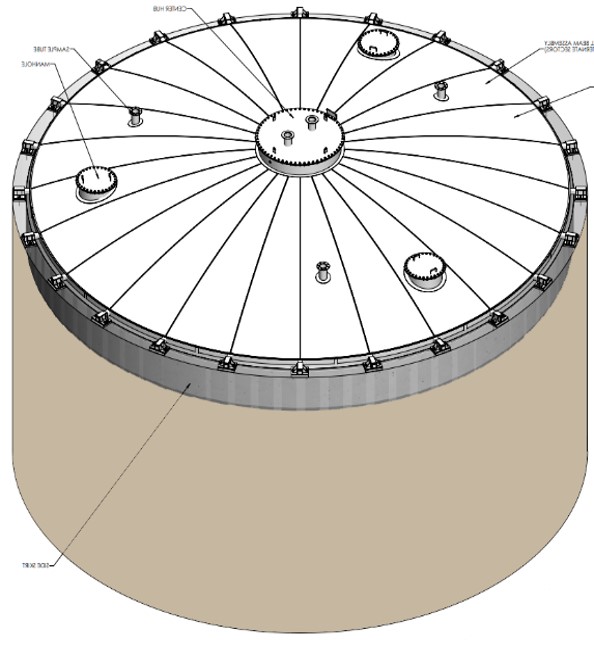
Fixed Beam Digester Cover
A cost-effective solution for primary digesters with relatively stable sludge levels. Fixed covers are also well suited for secondary digesters when biogas storage is provided by a separate system.
Because the cover is permanently anchored to the concrete tank, it offers limited gas storage capacity and accommodates only minimal variations in sludge volume. Maintaining consistent gas pressure is essential when sludge levels fluctuate.
The cover is secured to the top of the tank, with a side skirt sized only for the freeboard plus the operating pressure. This results in a shorter overall cover height, simplifying the design while reducing material requirements and installation costs.
Gasholder Beam Digester Cover
A gasholder beam digester cover can be used as a primary or secondary digester that requires varying volumes of gas storage. It also allows varying levels of sludge (as compared to the fixed
digester cover.) The low friction slide guides are low maintenance compared to rolling guides. This cover does not
require insulation because of a cushion of several feet of gas storage between the roof and the sludge.
Ballast blocks are located at the bottom of the side skirt, these blocks are
designed to set the mechanism’s
operating pressure.
Buoyant Floating Truss Digester Cover
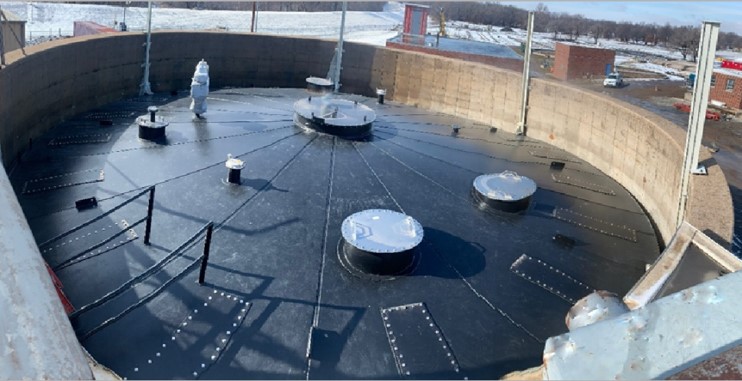
A primary digester cover that is effective when sludge levels vary significantly, it is also very effective in conditions where extreme foam occurs. The trusses are above the ceiling plate and are covered with roof plates to protect against the outside elements. This structure forms the “attic” which contains the ballast blocks and acts as insulation for the digestor from heat loss. The weight of the ballast blocks determines the operating pressure of the digester.
A truss design is more expensive than comparable beam covers and the attic space collects condensation which will need to be removed periodically.
Gasholder Truss Digester Cover
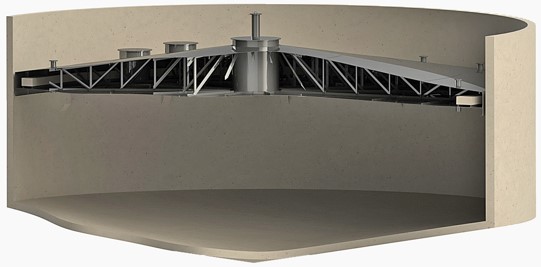
Similar to the radial beam gasholder digester cover; it is also effective when sludge levels vary significantly and allows for varying gas storage. The ballast blocks are located at the bottom of the framework and are designed to set the operating pressure. The attic space acts as the insulation so additional insulation is not necessary.
This truss design is the most expensive design, and the attic space collects condensation which will need to be removed periodically.
Dual Membrane Covers
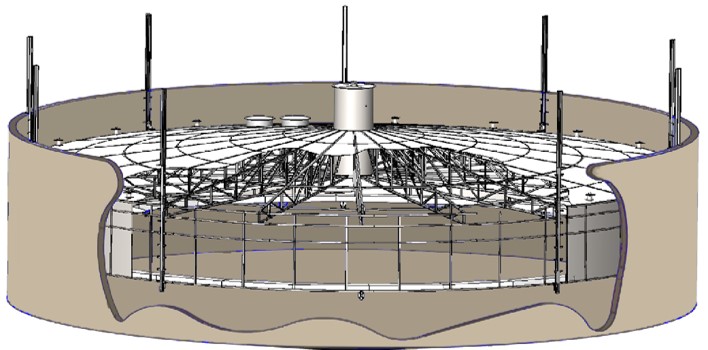
Costing less than half the price of a typical steel gasholder of the same capacity, these gasholders are increasingly becoming the normal method of containing and handling biogas.
The gas storage systems are exclusively manufactured from advanced structural fabrics, and designed as membranes to provide both structural ( climatic ) stability and impermeable gas storage. No metals are used, except for the anchorage connecting the membranes to a concrete foundation slab.
The gasholders are provided with inflation fans and full instrumentation to measure and control the storage process. The membranes, unlike steel, are totally resistant to the acids inevitably formed during the biogas production process in the anaerobic digestors.
3D Models of Every Project
ClearStream develops a detailed 3D model for every unit manufactured, ensuring accurate fit-up and seamless integration with site-specific layouts. These models also serve as a valuable tool for operator training and system familiarization, providing clear insight into unit design and operation.
Clients are provided access to the 3D models, allowing them to view and manipulate the equipment from their own office or facility. This capability enables operations and maintenance personnel to virtually inspect the unit, plan maintenance activities, and understand internal components—without draining the tank or interrupting operation.